Volleyball Arm Swing: Technique, Timing and Drills for a Stronger Attack
Learn how to build an efficient volleyball arm swing, from the approach and non-dominant arm action to contact, follow-through and practical drills.
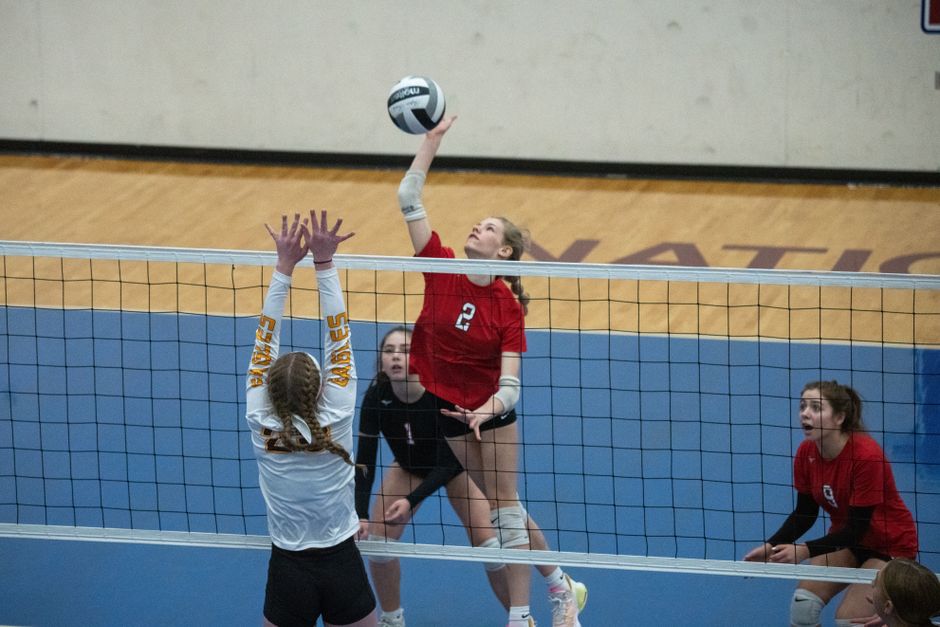
A good volleyball arm swing is not just a fast movement of the hitting arm. It is a timed sequence involving the approach, jump, torso, shoulder, elbow, wrist and non-dominant arm. When those parts work together, a player can generate more power without forcing the shoulder or losing control of the ball.
The same basic mechanics apply to indoor and beach volleyball, although wind, court movement and the softer surface can change the timing. The aim is not to copy one professional player’s swing. It is to develop a repeatable motion that suits your position, mobility and level of play.
What a correct volleyball arm swing looks like
A complete volleyball hitting motion has five connected stages: preparation, arm loading, upward movement, contact and follow-through.
- Preparation: As the approach begins, keep the arms relaxed and allow them to move naturally behind the body.
- Arm loading: As the final approach steps occur, bring both arms back with the elbows slightly bent. Avoid locking the hitting arm straight behind you.
- Upward movement: Swing both arms forward and up during take-off. The non-dominant arm helps with balance and gives the upper body a useful reference point for the ball.
- Contact position: Draw the hitting elbow back and up while the hand travels behind the ball. The elbow should be comfortably above shoulder height, not forced into an extreme position.
- Contact and follow-through: Reach high, contact the ball in front of the hitting shoulder and finish with the hand moving over and through the ball. Let the arm slow down naturally rather than stopping abruptly.
For a right-handed hitter, the left arm usually points toward the ball before contact, while the right elbow rises behind the body. Left-handed hitters use the opposite pattern. This separation helps the player judge the ball and rotate the trunk into the attack.
How to improve volleyball hitting mechanics
Start with the approach, not the shoulder
Many players try to create power by swinging the arm harder. A more efficient volleyball spike arm swing begins with a controlled approach and a strong final step. The last two steps should help the player turn horizontal movement into upward lift without drifting too far under the ball.
Right-handed players commonly use a left-right-left approach, while left-handed players often use right-left-right. The exact pattern can vary, but the final step should help the hitter arrive balanced and face the set. If the approach is rushed, the arm often starts late and contact becomes inconsistent.
Use the non-dominant arm well
The non-hitting arm should not simply drop as the hitting arm rises. Point it toward the ball during the jump, then pull it down toward the ribs as the hitting arm accelerates. This action helps the trunk rotate and can improve balance in the air.
Pulling the non-dominant arm down too early makes it harder to track the ball. Keeping it extended after contact, however, can restrict rotation. It should act as a temporary aiming tool, then move naturally as the torso turns.
Contact high and slightly forward
The best volleyball contact point is usually above and slightly in front of the hitting shoulder. Contacting the ball behind the head reduces control and can place unnecessary stress on the shoulder. Contacting too far in front may cause the player to reach, open the hand early or hit the ball with a weak wrist position.
Keep the hand firm but not rigid. A high five shape gives a broad, stable contact surface. To hit a sharper downward angle, contact the upper-back portion of the ball and allow the wrist to flex over it. For a controlled roll shot, keep the swing shorter and use the fingers to guide the ball rather than trying to hit through it at maximum speed.
Volleyball arm swing drills that build consistency
Standing arm-swing drill
Stand with the hitting foot slightly behind the other foot. Practise moving both arms back, lifting the non-dominant arm toward an imaginary ball and drawing the hitting elbow back. Finish with the hand travelling over an imaginary contact point. Repeat slowly before adding speed.
This volleyball arm swing drill is useful for fixing a low elbow, a dropped non-dominant arm or a tense preparation. It should feel smooth rather than powerful.
Self-toss and contact drill
Toss the ball with the non-dominant hand so it rises in front of the hitting shoulder. Reach high and contact it with an open hand, aiming forward into a wall or across a short distance. Concentrate on a consistent contact point instead of hitting as hard as possible.
Move the toss slightly higher only after the contact becomes reliable. A poor toss often causes a player to chase the ball, which makes it difficult to evaluate the arm swing itself.
Approach, jump and freeze
Perform the normal approach without hitting a ball. Jump, reach the contact position and briefly hold the landing posture. Check whether the body is balanced, the hitting elbow is up and the non-dominant arm has helped with alignment.
A coach or teammate can record this drill from the side. Slow-motion video can reveal an early arm swing, a contact point behind the body or a landing that is too far forward.
Targeted attack drill
Once the motion is stable, ask a setter or partner for predictable sets to one zone. Alternate between a controlled cross-court attack, a line shot and a softer roll shot. This connects volleyball spiking technique with decision-making instead of treating the swing as an isolated movement.
Common volleyball swing mistakes
- Swinging only with the arm: Use the approach, trunk rotation and shoulder movement together instead of trying to muscle the ball.
- Dropping the elbow: A low elbow often produces a flatter, weaker contact. Keep the elbow comfortably high without forcing it behind the body.
- Contacting behind the head: Adjust the approach or wait fractionally longer so the ball is in front of the hitting shoulder.
- Opening the hand too early: Keep the hand stable through contact and let the wrist action occur after the hand meets the ball.
- Ignoring the landing: Land on both feet where possible, with the knees able to bend. A controlled landing protects the lower body and gives the player a quicker recovery.
- Practising only maximum-power hits: Include roll shots, tips and targeted attacks. Control exposes timing problems and makes the motion more useful in matches.
Shoulder safety and training volume
Repeated overhead hitting can irritate the shoulder when technique, strength or recovery is inadequate. Increase attack volume gradually, especially after a break or at the start of a new season. Stop if pain is sharp, persistent or changing the way you move.
A balanced programme can include light external-rotation work, rowing movements, scapular control exercises, trunk strength and leg training. These exercises do not replace technical coaching, but they can support the positions required for a volleyball serve and spike arm swing. Players with ongoing pain should seek assessment from a qualified sports health professional.
Training conditions also matter across Africa. Outdoor courts, heat, wind and uneven sand can alter footwork and set timing, while indoor players may face different ball speeds and ceiling constraints. Practise the same arm mechanics with adjustments to the approach and contact timing for the environment.
Frequently asked questions about the volleyball arm swing
Should the arm be straight during the backswing?
Not necessarily. A relaxed, slightly bent elbow is usually easier to control and allows the hitter to load the shoulder without excessive tension. The elbow should rise into a strong contact position as the arm accelerates.
Why is my volleyball spike not powerful?
Common causes include a late approach, jumping under the ball, contacting too low, using little trunk rotation or stopping the follow-through. Record the movement from the side and correct one issue at a time rather than simply swinging harder.
How high should I contact the ball?
Contact as high as you can while keeping the ball slightly in front of the hitting shoulder. Reaching beyond comfortable control can reduce accuracy and place stress on the shoulder, so height should support a repeatable contact rather than become the only goal.
Can beginners practise the arm swing without jumping?
Yes. Standing and kneeling drills can teach the hand path, elbow position and contact direction before adding an approach and jump. Once the upper-body motion is consistent, combine it with footwork and timing.